
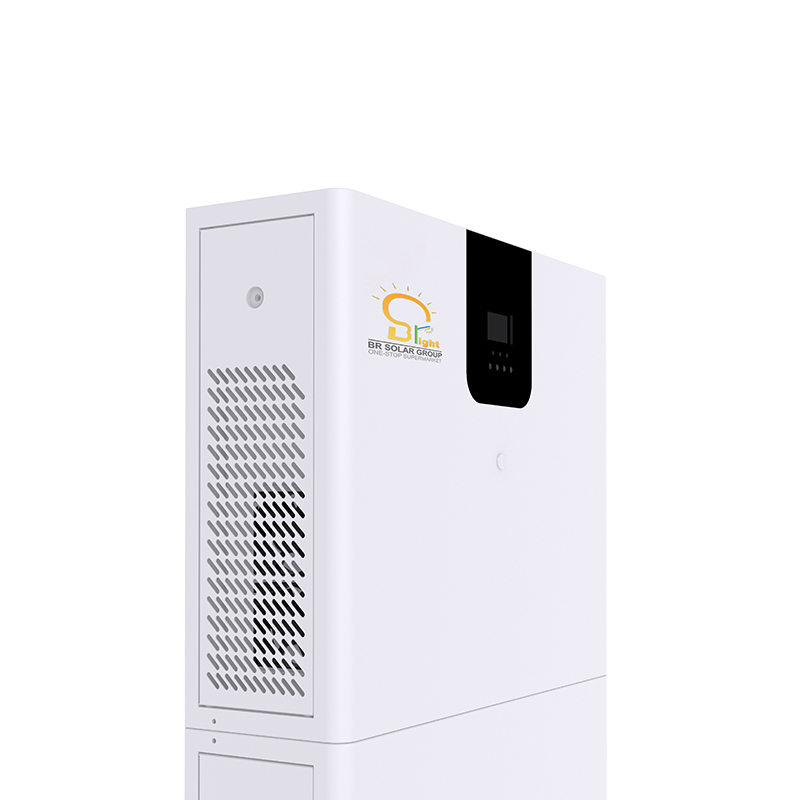
As the global demand for clean and renewable energy surges, solar power continues to stand at the forefront of sustainable energy solutions. Countries worldwide are increasingly turning to solar photovoltaic (PV) systems to address electricity shortages, reduce carbon emissions, and promote energy independence. One of the key benchmarks in solar energy projects is the deployment of a 1 Megawatt (MW) solar plant, a capacity that effectively balances scalability and manageability for many regions and businesses. Understanding the cost dynamics of such a setup is crucial for stakeholders, including governments, investors, and communities aiming to harness solar energy.
### The Global Need for Solar Energy
Numerous regions around the globe suffer from inadequate electric power supply. Nighttime road safety is often compromised due to insufficient street lighting, particularly in developing and remote areas. Access to consistent lighting not only improves safety but also contributes to social and economic activities after dusk. Solar power emerges as a vital solution in these contexts, providing off-grid and on-grid capabilities without the need for expensive and complex infrastructure.
### Cost Factors of a 1 Megawatt Solar Plant
The cost of establishing a 1 MW solar plant varies depending on geographic location, component quality, labor, and regulatory factors. However, some common expenses apply universally:
- **Solar Panels**: These form the heart of the plant. High-efficiency panels, though costlier initially, provide better long-term yield.
- **Energy Storage System**: Integration of battery storage, such as lithium-ion or gelled batteries, enables power availability even when sunlight is not present.
- **Inverters and Controllers**: These devices convert the direct current (DC) from solar panels into usable alternating current (AC) and manage power flow.
- **Mounting and Frames**: Structural components are necessary to securely fix panels at optimal angles.
- **Civil Work and Infrastructure**: Land preparation, fencing, and connection to grid or local distribution networks.
- **Operation and Maintenance**: Regular upkeep to ensure system efficiency and longevity.
Taking all these into account, the overall cost of a 1 MW solar plant generally ranges significantly, but the price per watt has been decreasing steadily with advances in technology and economies of scale.
### Manufacturer and Exporter Expertise
A notable example in this field is a company specializing in solar power systems and energy storage solutions. Starting its journey with solar street lighting poles, the company expanded its product line to include solar panels, lithium and gelled batteries, and inverters. Their growth reflects the evolving demands of the renewable energy market.
Initially focusing on street lighting, which is crucial for safety and visibility during nighttime on roads lacking reliable electricity, the company capitalized on this niche, delivering practical and robust solar solutions. This foundation laid the groundwork for tackling larger projects such as solar power plants of 1 MW and above.
### Advancing Solar Power Through Integrated Systems
Modern solar plants do not rely solely on photovoltaic panels. Rather, they are comprehensive systems combining solar panels with smart energy storage and control technologies. Lithium batteries and gelled batteries play a significant role in storing surplus energy generated during peak sun hours for use during the night or cloudy days. This capability is especially essential in regions where grid access is intermittent or unavailable.
The commitment to quality in energy storage and inverters contributes significantly to the plant's efficiency and lifespan. Efficient inverters ensure minimal energy loss during conversion, while durable batteries maximize usable energy storage and reduce maintenance costs.
### Impact on Electrification and Sustainability
Deploying a 1 MW solar plant provides considerable benefits to communities and industries. It enables reliable electricity supply for residential, commercial, or agricultural needs. For areas struggling with dark roads at night, such plants combined with solar street lighting systems dramatically improve public safety and quality of life.
On a broader scale, solar installations contribute to reducing dependence on fossil fuels, lowering greenhouse gas emissions, and meeting global climate goals. Economic benefits include job creation in installation, maintenance, and related services, as well as potential savings on energy expenses in the long term.
### Looking Forward
As countries invest in renewable energy infrastructure, understanding the accurate cost and operational needs of a 1 MW solar plant is imperative. Continuous improvement in solar panel efficiency, battery technology, and system integration will further lower costs and enhance accessibility.
The experience of companies focused on both solar power systems and energy storage solutions highlights the importance of comprehensive expertise in this sector. Starting with smaller-scale projects like solar street lighting allowed the development of practical know-how that now supports larger-scale solar power plants capable of transforming energy landscapes around the world.
### Conclusion
The installation of a 1 MW solar plant is a powerful step towards affordable and sustainable energy access. While various cost factors influence project budgets, advances in technology and integrated system design help optimize investment and performance. Companies that have evolved from providing essential solar street lighting solutions to delivering full-scale solar power plants exemplify the dynamic growth and potential within the renewable energy sector.
By embracing solar energy and addressing the electricity scarcity affecting many countries, solar plants not only provide brightness to dark roads but also empower entire communities and safeguard the environment for future generations.