
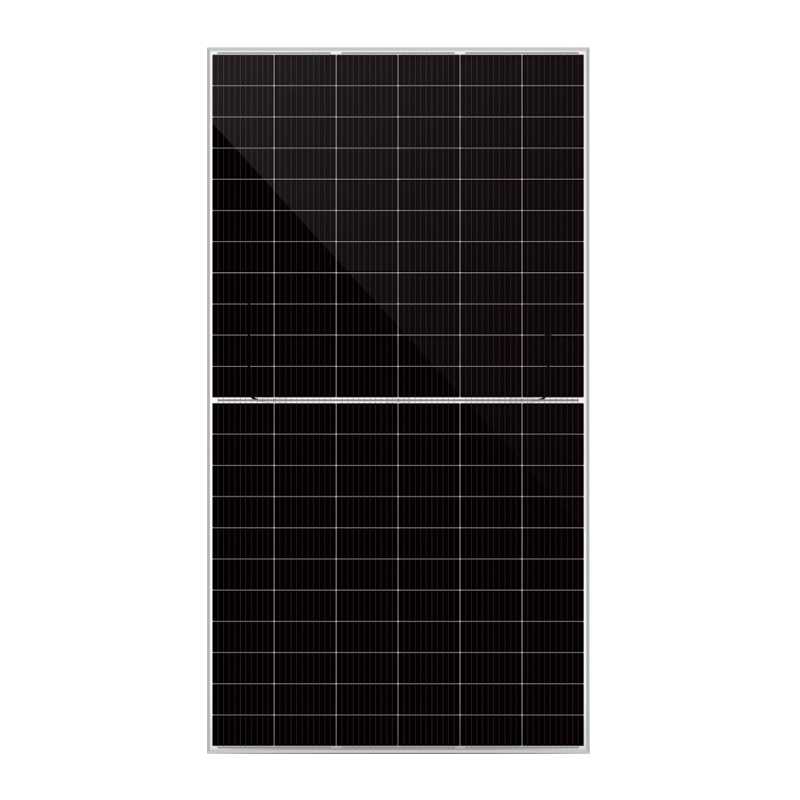
In an era where the demand for sustainable and renewable energy is rapidly increasing, monocrystalline solar panels have emerged as a pivotal technology driving the transition toward greener power. These high-efficiency solar panels, known for their superior energy conversion rates and sleek design, are making significant strides in both residential and commercial applications worldwide. As global electricity shortages persist, especially in developing regions, the adoption of monocrystalline solar panels promises a future illuminated by clean, reliable, and affordable energy.
### Meeting Global Energy Needs with Advanced Solar Technology
Monocrystalline solar panels are crafted from a single continuous crystal structure, which enables them to achieve higher efficiency compared to other types of solar cells such as polycrystalline or thin-film panels. This efficiency is crucial in maximizing power generation, particularly in areas with limited installation space or suboptimal weather conditions. Their longevity, often exceeding 25 years, and strong performance even in low light conditions make them a top choice for both urban and rural energy solutions.
Amid rising concerns over traditional energy sources’ environmental impact, monocrystalline panels offer a sustainable alternative that reduces carbon footprints and helps combat climate change. Their sleek black appearance also appeals aesthetically, encouraging broader consumer acceptance and integration into various architectural designs.
### Addressing the Electrification Gap: Lighting the Way Forward
Despite rapid advancements in energy infrastructure in many parts of the world, millions still lack access to reliable electricity. This deficiency not only hampers economic development but also affects safety and quality of life. Dark roads, unlit streets, and powerless communities pose significant challenges, especially in rural and remote areas.
Monocrystalline solar panels have played a transformative role in changing this landscape by enabling decentralized power generation. Solar street lighting systems, powered by these panels, are increasingly adopted to illuminate public spaces without dependence on traditional power grids. These systems provide a cost-effective, maintenance-light, and eco-friendly solution that enhances security and mobility after dark.
### Company Spotlight: A Journey from Street Lighting to Comprehensive Solar Solutions
A leading manufacturer and exporter specializing in solar power systems underscores the potential of monocrystalline solar technology in bridging energy gaps worldwide. This company began its journey with an emphasis on street lighting poles, focusing on solar street lighting systems that directly addressed the urgent need for illuminated roads in countries with limited electricity access.
Building on this foundation, the company expanded its portfolio to include a wide array of renewable energy products such as solar panels, energy storage systems, lithium and gelled batteries, and power inverters. This comprehensive approach underlines the interconnected nature of solar power systems, ensuring energy generated from sunlight is efficiently stored and utilized even during non-daylight hours.
As a professional manufacturer and exporter, the company has leveraged its expertise to serve diverse international markets. Its offerings cater to varying energy needs—from rural electrification projects to urban renewable energy integrations. By prioritizing quality and reliability, the company has established itself as a trusted partner in advancing sustainable energy solutions globally.
### The Role of Energy Storage in Enhancing Solar Power Utilization
One of the critical components complementing monocrystalline solar panels is the energy storage system. Solar energy, by nature, is intermittent; the sun’s availability fluctuates throughout the day and across seasons. Integrating efficient lithium and gelled battery storage solutions ensures continuous power supply, enhances system resilience, and maximizes the return on investment.
Advanced inverters are also pivotal, converting the direct current (DC) produced by solar panels into alternating current (AC) that powers household appliances and industrial equipment. The synergy of these technologies streamlines solar system performance and user experience.
### Future Prospects: Empowering Communities through Sustainable Energy
The importance of adopting monocrystalline solar panels extends beyond environmental benefits—it is inherently tied to social and economic development. Lighted streets enhance public safety, support night-time economic activities, and improve quality of life. Moreover, reliable electricity access fosters educational opportunities and healthcare services, catalyzing community growth.
As the global energy paradigm shifts toward sustainability, companies dedicated to delivering high-quality solar products and integrated systems play a crucial role. The combination of innovative monocrystalline solar technology with efficient energy storage and intelligent system design offers an actionable pathway to achieving universal energy access.
### Conclusion
Monocrystalline solar panels stand at the forefront of renewable energy technologies, offering an efficient and reliable solution to the world’s energy challenges. Their application in solar street lighting and broader solar power systems not only combats electricity deficits but also promotes sustainable development worldwide.
Driven by companies that began with targeted solutions—such as solar street lighting poles—and evolved into comprehensive solar power system providers, this technology is making clean energy accessible and affordable. As the global community embraces these advances, a future of well-lit roads, empowered communities, and a healthier planet moves closer to reality.