
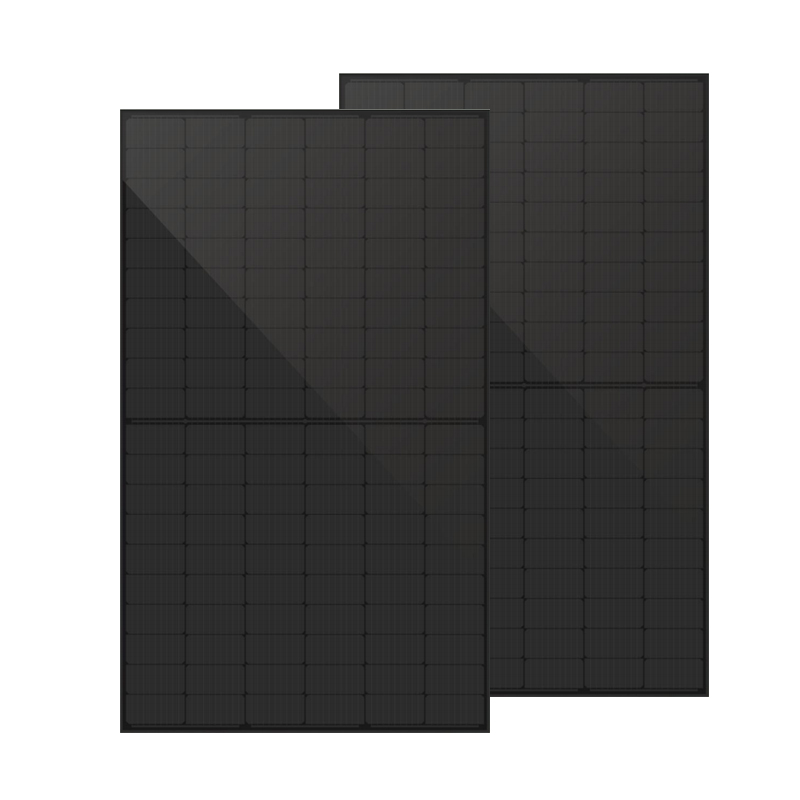
The global push towards renewable energy continues to accelerate, with solar power playing a pivotal role in the transition to cleaner and more sustainable energy sources. One of the critical factors influencing the adoption of solar energy is the cost per kilowatt of solar panels. Understanding these costs and their trends is essential for consumers, businesses, and governments striving to make informed decisions about energy investments.
Solar panels convert sunlight into electricity, providing a clean alternative to fossil fuels and contributing significantly to reducing carbon footprints. Over the past decade, technological advancements, increased manufacturing capacity, and innovative supply chain solutions have driven down the cost of solar panel systems. This reduction in cost makes solar energy increasingly competitive with conventional energy sources.
**Current Trends in Solar Panel Cost Per Kilowatt**
The cost per kilowatt (kW) of a solar panel system depends on several factors, including the quality of the solar cells, system size, installation complexity, and regional market conditions. Generally, the industry has seen a remarkable decline in prices, with average solar module prices dropping by as much as 80% since 2010. This trend benefits both residential users and larger scale solar farms.
Typically, the cost per kilowatt of solar panels today ranges from about $0.20 to $0.50 per watt for modules alone. However, when considering the total system cost— including installation, inverters, mounting hardware, and other balance-of-system components— the price generally ranges between $1 to $3 per watt based on market dynamics and project scale. That translates to about $1,000 to $3,000 per kilowatt installed.
This cost reduction opens up new possibilities. For homes and businesses, installing solar panels is becoming a viable means to cut electricity bills and hedge against rising utility costs. For remote and underserved regions, solar systems offer a practical solution to electricity shortages, providing reliable power where grid connections are unavailable or unreliable.
**Solar Energy Access in Underserved Regions**
Many countries around the world still face significant challenges with electricity access. In rural and off-grid areas, especially in developing nations, electricity shortages are a daily reality. Streets and public spaces often remain dark after sunset, which hampers safety, commerce, and quality of life.
Solar energy offers a promising solution to these challenges. Portable solar lighting and microgrid systems can illuminate villages, power health clinics, schools, and support economic activities. Efficient, cost-effective solar solutions are critical to meeting the needs of these populations.
**Industry Spotlight: Professional Solar Power Solutions**
Among the key players contributing to this global solar revolution are professional manufacturers and exporters of comprehensive solar power systems, including solar panels, energy storage systems, lithium batteries, gelled batteries, and inverters. These companies supply customized solutions tailored to the diverse requirements of different markets— from rural electrification projects to urban solar installations.
Notably, such companies often have a history rooted in specialized applications like street lighting poles. Starting from solar street light systems, they have successfully expanded their expertise and product lines, leveraging their industry experience to innovate and enhance solar power system performance.
They are committed to developing reliable, high-quality solar street lighting solutions which address a critical market need: illuminated public spaces in areas lacking grid electricity. Bright and consistent lighting improves safety, supports nighttime economic activities, and enhances community well-being.
**Beyond Solar Panels: Integrated Energy Storage and Inverters**
A comprehensive solar power solution goes beyond just solar panels. Energy storage systems, particularly lithium-ion and gelled batteries, are fundamental components that enable the capture and storage of solar energy for use during non-sunny hours or peak demand times. Integrated inverters convert the direct current (DC) generated by solar panels into alternating current (AC) that powers homes and businesses.
Manufacturers who provide end-to-end systems ensure seamless integration, improved reliability, and optimized performance. Their commitment to quality and innovation is crucial in lowering costs and delivering value to customers globally.
**Future Outlook**
As solar technology continues to evolve, the cost per kilowatt is expected to decline further, driven by breakthroughs in materials science, manufacturing efficiencies, and economies of scale. Additionally, smarter energy management systems and breakthroughs in battery storage technology will enhance the functionality and cost-effectiveness of solar installations.
For countries still struggling with insufficient electricity access, these advancements could be transformative. Solar energy solutions tailored for street lighting and remote electrification projects will play an increasingly important role in improving living standards and fostering economic development.
**Conclusion**
The decreasing solar panel cost per kilowatt is a central factor catalyzing the adoption of solar energy worldwide. Combined with professional manufacturing expertise and integrated system solutions—including energy storage and inverters—the solar industry is well-positioned to provide reliable, affordable, and scalable power solutions.
Efforts to light up the world’s dark streets and remote areas underline the tremendous social impact solar power can offer. As prices continue to fall and technology advances, solar energy will drive the global energy transition, promoting sustainability, energy independence, and improved quality of life for millions.
---
*This article is based on trends and industry insights from leading solar power solution providers focusing on comprehensive renewable energy systems and innovations.*