
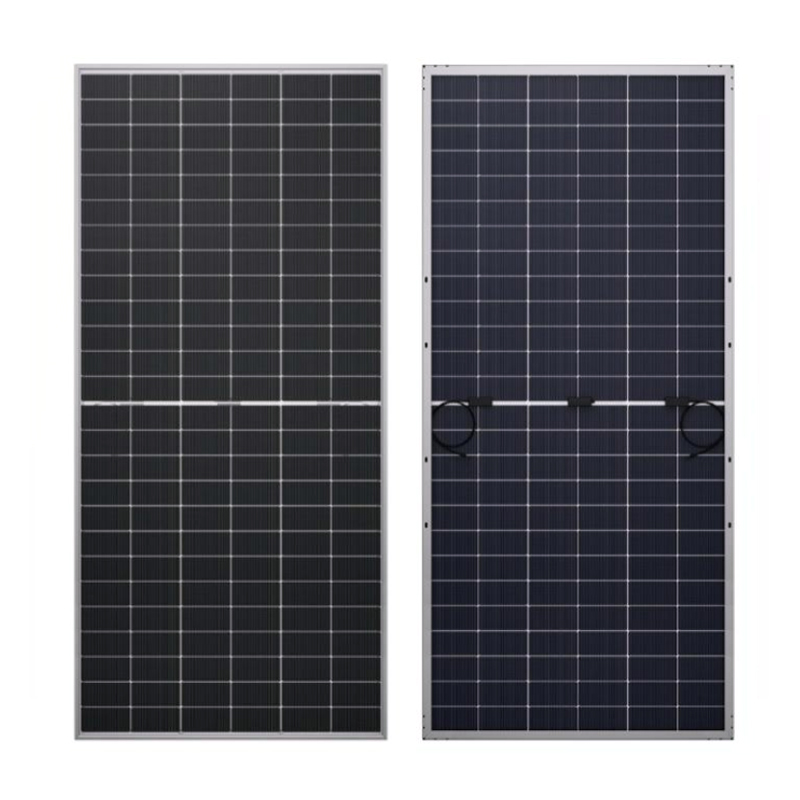
In an era where the demand for clean, sustainable energy is greater than ever, solar power has emerged as a pivotal solution to address the global energy crisis. With millions of people around the world still living without reliable access to electricity, solar energy presents a versatile and eco-friendly alternative. From sprawling urban centers connected to national grids to remote rural regions far from any electrical infrastructure, solar power systems—both on-grid and off-grid—are transforming how communities harness energy.
**Understanding On-Grid and Off-Grid Solar Power Systems**
Solar power systems are broadly categorized into two types: on-grid and off-grid. On-grid solar power systems are connected to the main electrical grid and allow users to draw energy from both their solar panels and the grid itself. These systems are ideal for urban and suburban settings where electricity supply is stable. They enable homeowners and businesses to reduce their electricity bills by generating their own power, with excess energy often sold back to the utility, a process called net metering.
Off-grid solar power systems, on the other hand, operate independently of the main grid. They are especially crucial in regions where electricity infrastructure is lacking or unreliable. These systems store energy in batteries to ensure continuous power supply, even during nighttime or cloudy weather. Off-grid solar power solutions are often deployed in rural areas, remote villages, and places where extending the grid is either prohibitively expensive or logistically impossible.
**Addressing the Global Challenge of Energy Access**
Despite advances in electrification, many countries still face significant challenges in providing reliable electricity to all their citizens. Millions of people live in darkness after sunset due to the absence of grid infrastructure. This lack of access limits opportunities for education, healthcare, economic development, and overall quality of life.
In response to this pressing issue, solar power companies have developed comprehensive solutions encompassing both on-grid and off-grid technologies. These solutions not only address the immediate need for electricity but also promote long-term sustainability by reducing reliance on fossil fuels and minimizing carbon emissions.
**From Street Lighting to Comprehensive Solar Solutions**
Some manufacturers have established themselves as leaders in the solar power industry by initially focusing on specific applications and then expanding their product offerings. One such company began its journey by producing solar-powered street lighting poles, significantly improving life quality in areas without nighttime illumination. Street lights powered by solar energy provide safe and reliable lighting for roads, improving security and mobility for residents.
Building on this success, the company expanded into a broader range of solar power products, including complete solar power systems, energy storage solutions, solar panels, lithium and gelled batteries, and inverters. These products cater to a diverse clientele, from residential households and commercial enterprises to public infrastructure projects.
**Energy Storage: The Backbone of Off-Grid Systems**
A critical element in the effectiveness of off-grid solar power systems is energy storage. Lithium-ion batteries and gelled batteries have become preferred choices for storing solar energy due to their efficiency, durability, and safety. Proper battery technology ensures that electricity generated during sunlight hours is available whenever needed, overcoming the intermittent nature of solar power.
Advanced inverters play a complementary role by converting the DC electricity generated by solar panels into AC electricity, which is used by most household appliances. Modern inverters also facilitate seamless switching between solar, battery, and grid power, enhancing system reliability.
**Solar Energy’s Role in Sustainable Development**
Solar power systems contribute significantly to sustainable development goals by fostering energy independence and reducing environmental impact. Their deployment in off-grid locations helps leapfrog traditional fossil-fuel-based power infrastructure, offering a cleaner, more resilient solution.
Extended access to electricity powered by solar energy enables remote communities to access modern amenities such as refrigeration for medicine, lighting for schools, and power for communication devices. These improvements boost social and economic development, helping to reduce poverty and inequality.
**Conclusion**
Solar power continues to revolutionize global energy landscapes by offering flexible solutions tailored to various energy needs. Whether integrated into national grids or deployed independently in remote areas, solar power systems provide a scalable and clean energy source that addresses the electricity access gap.
Manufacturers that started with focused products like solar street lighting have expanded their portfolios to offer complete solar energy systems optimized for both on-grid and off-grid applications. By incorporating advanced energy storage and power management technologies, these companies enable communities worldwide to embrace a sustainable energy future.
In the ongoing global transition to renewable energy, solar power remains a beacon of hope—illuminating dark streets, empowering rural villages, and powering the economies of tomorrow.