
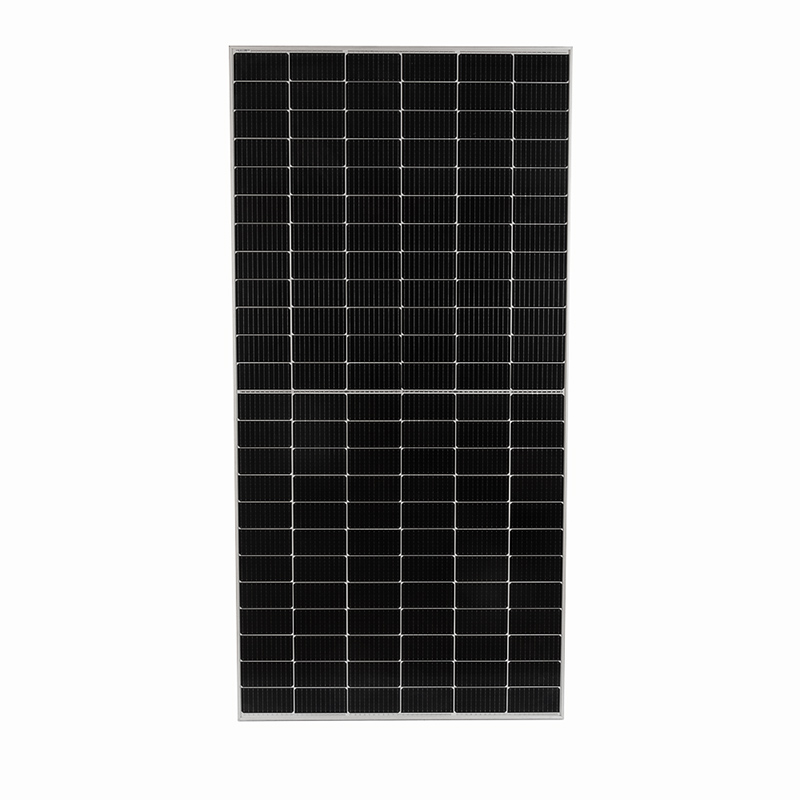
In recent years, photovoltaic solar energy has emerged as one of the most promising and rapidly expanding sources of renewable power globally. As the world grapples with rising energy demands, environmental concerns, and the urgent need for sustainable solutions, photovoltaic technology offers a clean, efficient, and increasingly affordable alternative to traditional fossil fuels.
Photovoltaic solar energy involves converting sunlight directly into electricity through solar panels composed of semiconductor materials. This innovative technology has revolutionized the way electricity is generated, providing power to remote areas, reducing carbon footprints, and enabling communities to harness an abundant natural resource — the sun.
One company that has played an influential role in this industry is a professional manufacturer and exporter specializing in solar power systems, energy storage systems, lithium and gelled batteries, inverters, and solar panels. The company’s journey began with a focus on street lighting poles, gradually expanding into the development and deployment of solar street lighting systems. Their expertise in this niche market has allowed them to effectively address a significant issue faced by many developing nations — inadequate electricity access and unsafe, unlit roads at night.
Many countries around the world continue to struggle with reliable electricity availability. In numerous rural and underserved urban areas, street lighting remains a luxury rather than a standard amenity. Dark roads not only impair economic activities but also pose significant safety risks, including increased traffic accidents and reduced public security. By leveraging photovoltaic solar energy, solar street lighting systems provide an environmentally friendly, low-maintenance solution to illuminate these spaces without the need for costly grid infrastructure.
The impact of photovoltaic solar energy extends well beyond street lighting. Solar power systems now fuel homes, businesses, educational institutions, hospitals, and even entire microgrids. The flexibility of solar arrays to scale from small residential setups to large commercial farms makes this technology highly adaptable. Furthermore, advancements in energy storage solutions such as lithium and gelled batteries have enhanced the reliability and efficiency of solar systems by enabling energy to be stored and used during nighttime or cloudy conditions.
Addressing energy storage has long been a challenge in renewable energy applications, but innovations in battery technology are making solar power more practical and accessible than ever before. This company’s focus on producing high-quality energy storage systems complements solar panel production, offering integrated solutions tailored to varied user needs. Such integrated offerings are critical in regions where grid instability or absence hampers efforts to provide continuous energy supply.
Beyond improving energy access and reducing dependence on fossil fuels, photovoltaic solar technology brings additional socioeconomic benefits. The proliferation of solar projects creates jobs across manufacturing, installation, maintenance, and technical support sectors. Local economies benefit from increased economic activity and improved quality of life as communities gain reliable electricity access.
Governments and international organizations are taking note, investing heavily in solar energy infrastructure and policy frameworks to accelerate adoption. Incentives like subsidies, tax breaks, and favorable tariffs stimulate market growth. Additionally, public awareness campaigns promote the environmental and economic advantages of solar energy, encouraging both residential and commercial users to transition to cleaner alternatives.
However, challenges remain. Initial installation costs, while steadily decreasing, can still be a barrier for low-income populations. There is also a need for ongoing research to improve panel efficiency, battery longevity, and recycling processes. Furthermore, integrating solar power with existing power grids requires careful planning and investment.
Looking ahead, photovoltaic solar energy is poised to play a central role in the global energy transition. The continued innovation in solar panels, batteries, and inverters, coupled with strategic deployment in underserved regions, will drive further growth. Companies with expertise spanning from solar street lighting to comprehensive power systems are well-positioned to lead this transformation.
The story of solar energy is not merely about technology; it is a narrative about empowering communities, protecting the environment, and building a sustainable future. As more countries embrace photovoltaic solar energy, supported by manufacturers and exporters dedicated to advancing this cause, the dream of universal, clean, and affordable energy comes closer to reality.
---
**Key Takeaways:**
- Photovoltaic solar energy converts sunlight into electricity, providing clean and sustainable power.
- Many regions lack electricity infrastructure, resulting in unsafe, dark roads that solar street lights can address.
- Integration of energy storage systems like lithium and gelled batteries improves reliability.
- Solar energy deployment stimulates economic growth and job creation.
- Ongoing innovation and supportive policies are crucial to overcoming remaining barriers.
- The expansion of solar power contributes significantly to the global transition toward renewable energy.
In conclusion, harnessing the power of photovoltaic solar energy not only answers the pressing demand for sustainable energy solutions but also uplifts communities worldwide. With continued collaboration among technology providers, governments, and local stakeholders, solar energy’s bright future is just beginning.