
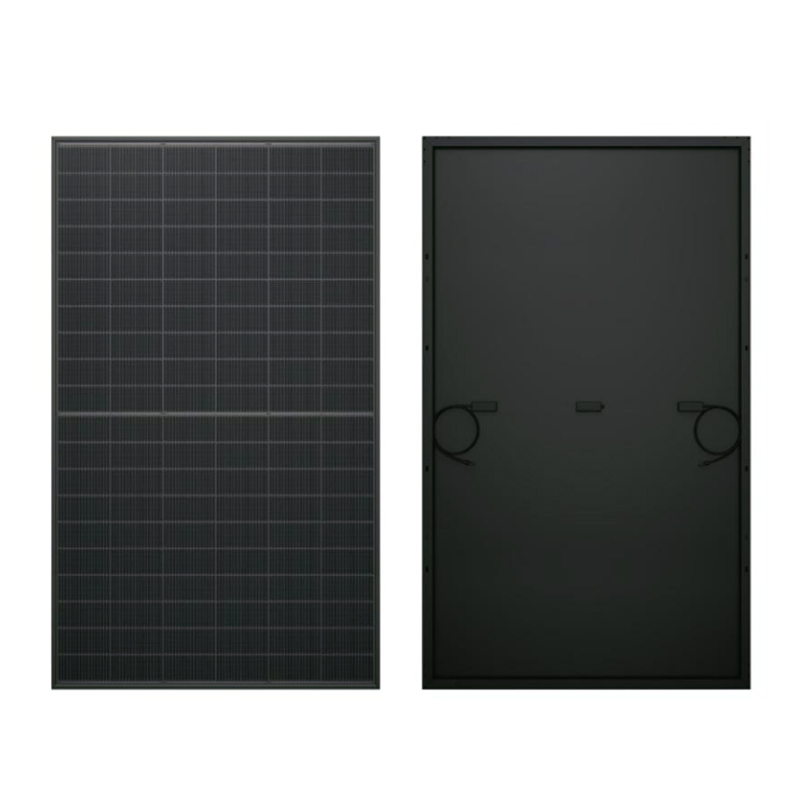
As the world increasingly focuses on sustainable energy solutions, the cost of solar energy panels remains a critical factor influencing the adoption of solar power systems worldwide. With growing awareness about environmental issues and a pressing need to reduce reliance on fossil fuels, solar energy has emerged as a leading alternative. This shift has been accompanied by significant developments in manufacturing, distribution, and cost management of solar panels and associated components.
### The Growing Importance of Solar Energy Panels
Solar energy panels are the backbone of any solar power system. They convert sunlight into electricity, providing a clean, renewable, and efficient source of power. Over the past decade, technological advancements and economies of scale have contributed to a steady decline in the cost of solar panels. This has made solar energy accessible to a broader range of customers — from residential homeowners to commercial businesses and governments — especially in regions that previously faced high energy costs or lacked reliable electricity access.
Despite these advances, in many parts of the world, especially in developing countries, financial barriers remain a challenge. The initial investment for solar energy systems can be substantial, including costs for panels, energy storage solutions, installation, and maintenance. Addressing these costs is essential to accelerating solar energy adoption and bridging the energy gap in underserved areas.
### The Role of Professional Manufacturers and Exporters
Leading the charge in providing affordable, high-quality solar energy solutions are professional manufacturers and exporters who specialize in a broad range of solar products. Companies with extensive experience developing integrated solar power systems, energy storage units, batteries, and inverters play a crucial role in meeting global demand.
One such example is a company with a rich history beginning in street lighting poles. Over time, it successfully expanded into the solar street lighting market, addressing a common problem faced by many countries: dark and unsafe roads at night due to insufficient electricity infrastructure. The company’s expertise spans solar power systems, energy storage systems, solar panels, lithium batteries, gelled batteries, and inverters. Their comprehensive product portfolio and dedication to quality enable them to serve customers worldwide, especially in markets with urgent energy needs.
### Overcoming Energy Challenges in Developing Regions
Many countries around the globe continue to face significant electricity shortages, impacting daily life and economic activities. Rural and remote areas often suffer the most, where grid connectivity is unreliable or nonexistent. This leads to social challenges such as lack of lighting for homes and streets, which can affect safety, education, and business opportunities.
Solar energy panels, combined with robust battery storage systems, offer an effective solution to these problems. They enable communities to generate power locally from sunlight, store excess energy for nighttime use, and reduce dependency on inconsistent and polluting diesel generators or grid electricity.
For example, solar-powered street lights illuminate previously dark roads, improving safety for pedestrians and vehicles. In addition, solar systems can power schools, clinics, and small businesses, providing significant social and economic benefits. The affordability and availability of these solar solutions, supported by experienced manufacturers and exporters, are crucial to achieving wider electrification in these regions.
### Cost Trends and Innovations in Solar Energy Panels
The cost of solar energy panels has been steadily declining due to technological advancements and increased production capacities. Innovations such as higher-efficiency photovoltaic cells and improved manufacturing processes have contributed to lowering prices while enhancing panel durability and performance.
Energy storage technologies, such as lithium batteries and gelled batteries, have also evolved. These improvements allow for better storage capacity, longer service life, and safer operation — making solar power systems more reliable and cost-effective in the long run.
Furthermore, integration of smart inverters, which convert the panel-generated DC electricity into usable AC power, ensures system compatibility with existing electrical infrastructures and improves overall energy management.
### Future Outlook
Looking ahead, solar energy panels are positioned to play an even more prominent role in the global energy landscape. Governments and organizations worldwide are setting ambitious renewable energy targets, often supported by subsidies, incentives, and favorable policies to encourage solar power adoption.
Companies with a strong foundation in both manufacturing and exporting comprehensive solar solutions will continue to be key players. By leveraging their experience and product breadth, these companies can help reduce energy poverty, enhance sustainability, and promote economic development across diverse regions.
### Conclusion
Solar energy panels represent more than just an alternative power source; they symbolize a pathway toward a cleaner, more sustainable future. While cost remains a critical consideration, continuous improvements in solar technology and the dedication of professional manufacturers and exporters are making solar power increasingly accessible.
As countries strive to combat electricity shortages and environmental challenges, solar energy solutions—ranging from street lighting to full-scale power systems—offer practical, impactful answers. With the collaboration of manufacturers, businesses, and governments, solar energy’s potential to illuminate the world sustainably is brighter than ever.