
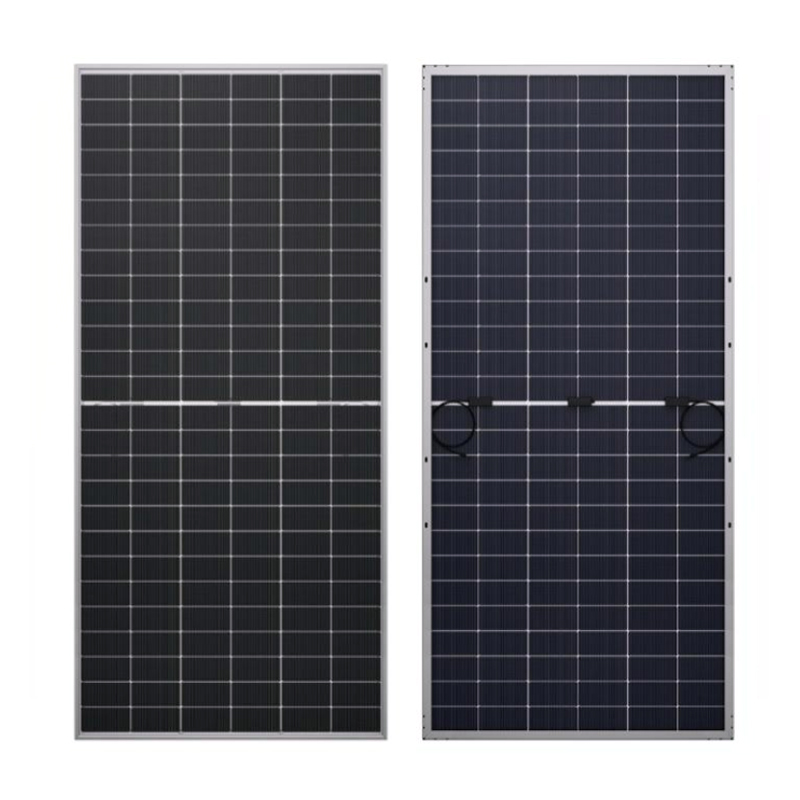
As the demand for sustainable and renewable energy sources continues to rise worldwide, solar electric systems have become a focal point in the transition towards clean energy. The decreasing cost of solar electric systems has significantly contributed to their widespread adoption, making solar power a viable solution both in developed and developing regions. This article explores the current trends in solar electric system costs, the impact on global energy access, and highlights the role of experienced manufacturers and exporters in driving this growth.
### Declining Costs of Solar Electric Systems
Over the past decade, the cost of solar electric systems has experienced a substantial decline, driven by advances in technology, economies of scale, and more efficient manufacturing processes. Today, solar electric system costs have fallen to a point where solar energy is often more affordable than traditional fossil fuel-based power generation in many parts of the world.
Several factors contribute to this cost reduction: improved photovoltaic (PV) panel efficiency, lower costs of solar batteries and inverters, and streamlined installation processes. Additionally, the global increase in demand encourages manufacturers to innovate and optimize production methods, further decreasing costs.
The affordability of solar electric systems opens new doors for energy access, especially in regions where electricity infrastructure is underdeveloped or unreliable. Solar power provides a decentralised energy source that is both environmentally friendly and economical, enabling communities to light their homes, power businesses, and improve their overall quality of life.
### Bridging the Global Energy Gap
A significant challenge facing many countries worldwide is the lack of reliable electricity. In numerous rural and remote areas, the absence of electrical infrastructure means roads are unlit at night, limiting safety and economic activity after dark. The unavailability of power also restricts access to critical services such as healthcare, education, and communication.
Solar electric systems, paired with energy storage solutions, present an effective solution to this issue. Portable and scalable, these systems empower communities to generate and store their own electricity, bypassing the need for costly grid extensions. The reduction in system costs has made such technologies increasingly accessible to lower-income regions, making a tangible difference in millions of lives.
### The Role of Experienced Manufacturers and Exporters
Behind the scenes of this solar revolution are dedicated manufacturers and exporters who specialize in providing comprehensive solar power solutions. One such professional enterprise has established itself as a key player in the market, offering an extensive range of products, including solar power systems, energy storage systems, solar panels, lithium batteries, gelled batteries, and inverters.
This company's journey began with specializing in solar street lighting poles, a niche yet impactful segment of the solar industry. By initially focusing on solar street lighting, they addressed the critical issue of unlit roads in electricity-poor regions. Their successful ventures in this market have fostered trust and recognition, enabling expansion into broader solar and energy storage solutions.
Their expertise in solar street lighting highlights a vital component of community infrastructure. Street lighting not only enhances safety and security but also promotes social and economic activities during nighttime hours. Increasingly, municipalities and governments worldwide are turning to solar lighting systems for sustainable urban development.
### Comprehensive Solar Solutions for Diverse Needs
The comprehensive product offerings from this manufacturer provide end-users with reliable and efficient options. Energy storage systems are especially critical in solar applications, as they store excess electricity generated during daylight hours for use after sunset or during cloudy conditions. Lithium batteries and gelled batteries each offer distinct advantages, catering to various operational needs and budgets.
Inverters convert direct current (DC) generated by solar panels into alternating current (AC), compatible with household appliances and grid infrastructure. High-quality inverters improve the overall efficiency and longevity of solar electric systems, making them indispensable components.
By coupling solar panels with advanced energy storage and robust inverters, the company delivers turnkey solutions tailored to residential, commercial, and industrial customers. Their export capabilities enable worldwide distribution, helping to globalize the benefits of solar energy.
### Future Outlook and Impact
The continued decline in solar electric system costs and the growing expertise of established manufacturers set the stage for accelerated global adoption of solar technologies. As more countries focus on climate change mitigation and renewable energy targets, solar power will play an increasing role in national energy mixes.
For underserved regions, access to affordable solar electric systems means not only lighting roads and homes but also unlocking educational opportunities, powering health clinics, supporting small businesses, and improving overall standards of living. The social and economic benefits are profound.
Commitment from manufacturers to innovate and maintain high-quality standards ensures reliability and durability, critical for confidence in solar investments. Their experience in specialized segments like solar street lighting evidences the potential for solar solutions to address specific challenges faced by communities.
### Conclusion
The reduction in solar electric system costs combined with the efforts of professional manufacturers and exporters is transforming how energy is accessed globally. Solar power systems are no longer a luxury but a practical, cost-effective alternative that can reach the most electricity-deficient regions. By illuminating dark roads and powering homes and businesses, solar electric systems contribute to safer, more connected, and sustainable communities worldwide. As technology evolves and costs continue to fall, the future of solar energy shines ever brighter for all.