
In recent years, residential solar systems have gained significant traction worldwide, driven by increasing environmental awareness, rising electricity costs, and advancements in solar technology. Homeowners and businesses alike are embracing solar power solutions to reduce their carbon footprint, achieve energy independence, and contribute to a sustainable future. This growing trend reflects a broader global shift toward renewable energy sources to meet the world’s expanding energy needs while addressing climate change concerns.
Residential solar systems, which typically consist of photovoltaic solar panels, inverters, and, in many cases, energy storage units, convert sunlight into electricity to power homes. These systems allow households to generate clean energy on-site, lower their electricity bills, and in some regions, even earn credits through net metering programs by feeding excess electricity back into the grid. With continuous improvements in solar panel efficiency, decreasing costs, and supportive government policies, the adoption of residential solar solutions is climbing rapidly across different continents.
A key driver of this solar revolution is the urgent need to electrify rural and underserved areas in many countries, where conventional grid access remains limited or unreliable. Up to billions of people worldwide still lack consistent access to electricity, hindering economic growth and quality of life. To tackle this challenge, solar power systems have become a vital part of electrification strategies. They provide a scalable, cost-effective, and environmentally friendly solution for lighting homes, powering appliances, and enabling connectivity.
In this context, manufacturers specializing in solar power technologies have played a pivotal role in promoting the widespread deployment of residential solar systems. One such company has demonstrated remarkable growth and commitment to advancing solar applications globally. Starting as a manufacturer of street lighting poles, the company gradually ventured into the solar street lighting market, delivering robust and sustainable illumination solutions for roads, highways, and public spaces. Recognizing the vast potential of solar energy, the company expanded its portfolio to include comprehensive solar power systems, energy storage solutions, high-quality solar panels, lithium batteries, gelled batteries, and inverters.
By leveraging extensive experience in solar street lighting, the company has successfully bridged the gap between outdoor solar applications and residential solar energy. Their expertise in producing durable and efficient solar panels and energy storage units positions them as a reliable partner for residential solar system installations. Furthermore, their manufacturing excellence and rigorous quality control ensure that customers receive dependable, high-performance products that stand the test of time.
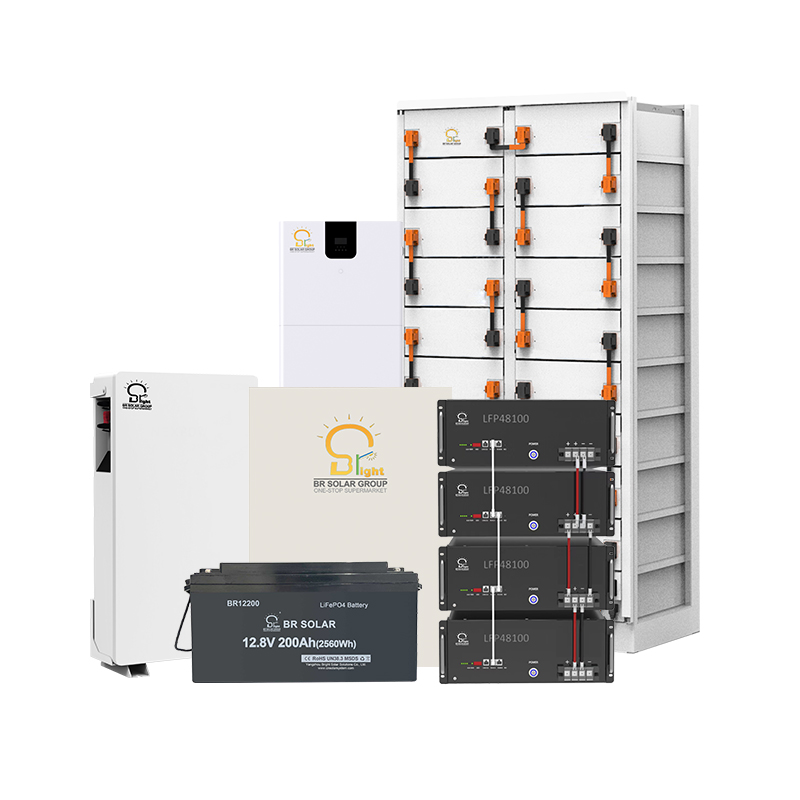
One of the company’s strengths lies in its lithium battery and gelled battery technologies, which are essential to modern solar energy systems. Lithium batteries offer superior energy density, longer cycle life, and lighter weight compared to traditional batteries, making them ideal for energy storage in residential solar setups. Gelled batteries, known for their stability and low maintenance, provide a cost-effective alternative in certain applications. Coupled with advanced inverters, these energy storage solutions enable homeowners to maximize their solar energy usage, maintain power during outages, and optimize energy management throughout the day.
The company’s holistic approach to solar energy extends beyond hardware manufacturing. It actively supports electrification efforts in regions where conventional energy infrastructure is lacking. By supplying integrated solar power systems tailored to varying requirements and environments, the company helps illuminate communities where roads and homes have remained dark after sunset, fostering safety, education, and economic opportunities.
As governments across the globe implement renewable energy policies and offer incentives such as tax credits, rebates, and favorable financing, residential solar adoption continues to accelerate. Homeowners are increasingly aware of the long-term benefits: lowered utility bills, reduced environmental impact, and enhanced property values. At the same time, companies specializing in solar power technologies are innovating further, improving efficiency, reducing costs, and developing smart energy management systems that integrate with home automation.
The transition to solar energy is not without challenges. Issues such as intermittent sunlight, battery lifecycle management, and upfront installation costs require ongoing innovation and customer education. However, companies with deep roots in solar technology and extensive product offerings are well positioned to address these challenges and support customers through design, installation, and maintenance phases.
Overall, the residential solar sector represents a dynamic and impactful component of the global clean energy movement. By harnessing the power of the sun, millions of households are taking control of their energy future, reducing greenhouse gas emissions, and contributing to a resilient, sustainable power grid.
In summary, the rising demand for residential solar systems underscores the urgent need to adopt renewable energy solutions worldwide. Manufacturers that started with focused applications such as solar street lighting have evolved to deliver comprehensive solar power systems and storage solutions, playing a crucial role in electrifying rural communities and empowering homeowners everywhere. With continuous innovation and growing market acceptance, residential solar energy is poised to become a cornerstone of global efforts to create a cleaner, greener, and more equitable energy future.