
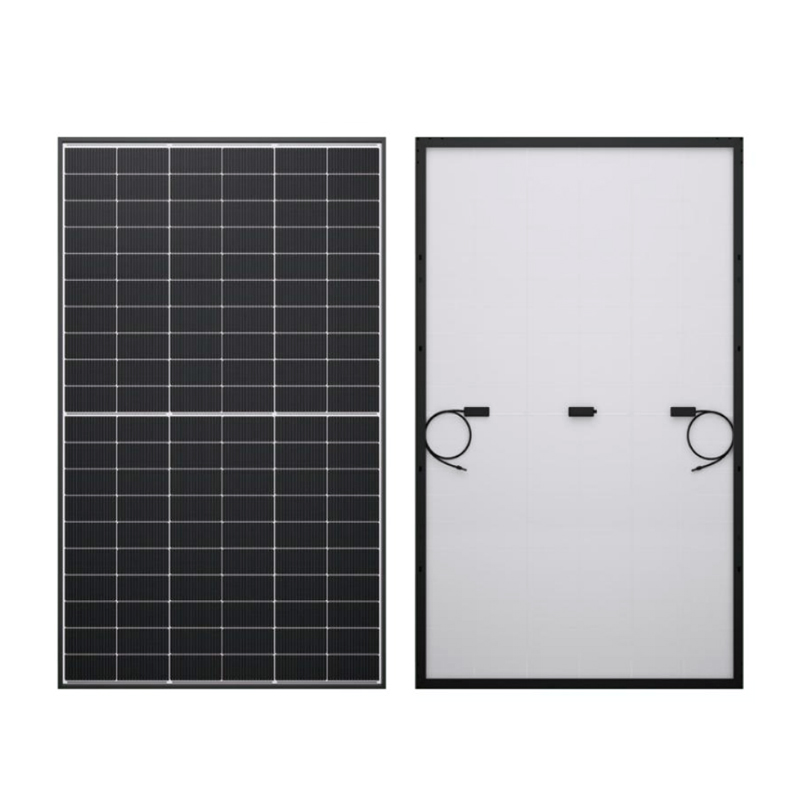
In recent years, solar energy has emerged as a leading solution to the world’s growing energy demands and environmental concerns. As countries across the globe strive to enhance energy access, reduce carbon emissions, and promote sustainable development, solar power offers a viable and efficient alternative to conventional fossil fuels. This renewable energy source harnesses the sun’s abundant energy, converting it into electricity that can power homes, businesses, and entire communities.
**Advantages of Solar Energy**
Solar energy offers a multitude of benefits that make it an attractive option for meeting today’s energy challenges:
1. **Renewable and Sustainable**
Unlike fossil fuels, solar energy is inexhaustible. The sun provides an immense and continuous source of energy that can be utilized without depletion. This sustainability ensures long-term energy security for regions that adopt solar technologies.
2. **Environmentally Friendly**
Solar power systems produce clean energy without emitting greenhouse gases or pollutants. By reducing dependence on coal, oil, and natural gas, solar energy helps combat air pollution, reduce carbon footprints, and mitigate climate change.
3. **Cost-Effective in the Long Run**
Though the initial setup cost of solar panels and systems can be significant, solar energy is cost-effective over time. The operational and maintenance costs are minimal compared to fossil fuel generators. Moreover, many governments provide subsidies, tax credits, and incentives to encourage solar energy adoption, further reducing the financial burden.
4. **Energy Access in Remote Areas**
Many parts of the world suffer from inadequate or unreliable electricity supply. Solar power systems can be deployed in remote and rural areas where extending the conventional grid is impractical or costly. This enhances energy equity by bringing electricity to underserved populations.
5. **Low Maintenance**
Solar energy systems require minimal maintenance. Once installed, solar panels function effectively for decades with little intervention, making them a reliable energy source, especially in areas with scarce technical support.
6. **Scalable and Versatile**
Solar systems can be installed in various scales, from small residential panels to large utility-scale solar farms. They can also be combined with energy storage solutions like batteries to provide uninterrupted power supply even when sunlight is unavailable.
**Addressing Global Energy Shortages**
Electricity access remains a significant challenge in many parts of the world. In underdeveloped and developing countries, millions of people live without reliable lighting and power, which affects education, healthcare, economic activities, and overall quality of life. In particular, many roads remain unlit during nighttime, posing safety risks for pedestrians and vehicles.
Solar-powered street lighting solutions have gained traction as a practical means to address this problem. These systems utilize solar panels to capture sunlight during the day, which is stored in batteries to illuminate roads and public spaces after dark. This not only improves safety and security but also fosters development in communities that otherwise remain in the dark.
**Innovations in Solar Power Systems**
With growing demand, solar technology has seen considerable advancements. Modern solar systems feature higher efficiency photovoltaic panels, advanced lithium and gelled batteries for energy storage, and intelligent inverters to convert and manage electricity output. These innovations enhance system performance, longevity, and adaptability.
Energy storage systems are particularly crucial in balancing supply and demand. By storing excess solar energy generated during sunny periods, energy storage enables a stable and continuous power supply, overcoming the intermittent nature of solar energy.
**Industry Expertise in Solar Solutions**
Behind the success of solar energy adoption is a cohort of specialized manufacturers and exporters dedicated to providing high-quality solar power systems. Starting from humble beginnings catering to street lighting solutions, some companies have expanded their expertise to offer comprehensive products including solar panels, lithium and gelled batteries, energy storage systems, and inverters.
These companies play a pivotal role in pioneering solar street lighting projects, especially in regions lacking reliable electricity. Their products are designed to meet diverse market requirements, ensuring durability, efficiency, and user-friendly installation.
**Driving Global Sustainable Development**
The transition to solar energy aligns with the global agenda for sustainable development. The United Nations’ Sustainable Development Goal 7 aims to ensure access to affordable, reliable, sustainable, and modern energy for all. Solar power, with its flexibility and environmental benefits, stands at the forefront of this green energy revolution.
By promoting solar energy, countries can reduce their carbon emissions, improve air quality, and foster economic growth through green jobs and technological innovation. Additionally, solar energy enhances energy independence, reducing reliance on imported fuels and fluctuating fuel prices.
**Conclusion**
Solar energy is more than just an alternative; it represents a transformative approach to how the world sources and consumes energy. Its vast benefits—ranging from environmental protection to socio-economic empowerment—make it an indispensable component of future energy strategies.
As global awareness and technology continue to advance, solar power is set to illuminate every corner of the earth, enabling safer roads, brighter homes, and a cleaner planet for generations to come. Through the dedication of industry leaders and ongoing innovation, solar energy is not only lighting up the night but also lighting the way toward a sustainable future.