
The global push for renewable energy sources has reached new heights as solar photovoltaic (PV) panel installation projects gain momentum across multiple continents. As the world transitions toward cleaner energy, solar power stands at the forefront, offering an accessible, efficient, and sustainable solution to the persistent energy challenges faced by many countries. The surge in solar PV panel installations is not only transforming energy landscapes but also improving quality of life by providing reliable electricity in regions long plagued by power shortages.
### Bridging the Energy Gap with Solar Solutions
Around the globe, numerous countries continue to face severe electricity shortages, which hinder economic development and daily living. In many rural and remote areas, the lack of an established electrical grid leaves communities in the dark, quite literally. The problem is compounded by the high costs and logistical challenges of extending traditional power infrastructure into these regions.
Solar PV technology offers an effective response to these issues by harnessing the sun’s free and abundant energy. Unlike conventional power plants that rely on fossil fuels or extensive grids, solar panels can be deployed locally and tailored to meet specific community needs. This flexibility makes solar PV installations a game-changer for expanding energy access in underserved areas.
### From Street Lighting to Comprehensive Solar Solutions
The journey of solar technology deployment often starts with relatively simple applications such as solar street lighting. Street lighting powered by solar panels not only enhances public safety by illuminating roads and public spaces but also reduces dependence on unreliable grid power or expensive diesel generators. These lights are particularly vital in developing countries where many roads remain dark after sunset.
Building on this success, solar energy providers and manufacturers have broadened their product lineups and technological capabilities. Initially focusing on solar street lights, many companies have expanded into comprehensive solar power systems, including residential and commercial solar panels, energy storage solutions, and inverters. This holistic approach allows communities to not only generate their own clean electricity but also store it for use during nighttime or cloudy days, ensuring continuous power supply.
### The Role of Professional Manufacturers and Exporters
Behind the growing availability of solar PV panels and systems are professional manufacturers and exporters dedicated to providing high-quality, reliable, and cost-effective solar products. These companies play a crucial role in supporting global solar adoption by continuously innovating and scaling production capabilities to meet rising demand.
One such example is a seasoned manufacturer that started with solar street lighting poles and has since evolved into a full-spectrum solar power solutions provider. Their offerings now include solar panels, lithium and gelled batteries, inverters, and energy storage systems. By integrating these components, they deliver turnkey solar power solutions that cater to diverse needs—from individual households to large-scale commercial installations.
These manufacturers also leverage export channels to bring their solar technologies to international markets, facilitating energy access in countries where electricity infrastructure is underdeveloped. Their products not only help reduce dependency on fossil fuels but also offer cost savings and energy independence for end users.
### Advancing Energy Storage for Greater Reliability
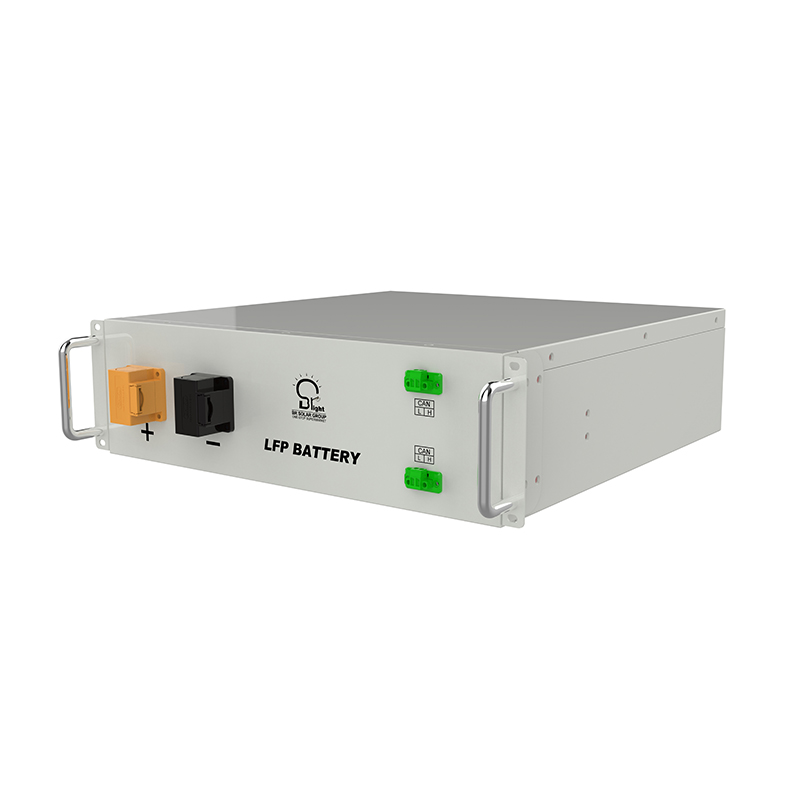
An important aspect of solar PV panel deployment is the ability to store energy efficiently. Since solar power generation is inherently intermittent—available only during daylight hours—energy storage systems are vital for ensuring consistent electricity supply. Innovations in lithium and gelled battery technologies have improved storage capacity, lifespan, and safety, making them more suitable for a range of solar applications.
The integration of advanced battery systems with solar panel installations enables users to balance energy production and consumption effectively. For remote areas with sporadic grid access, this combination can provide a dependable power source for lighting, communications, healthcare facilities, and more. Energy storage thus enhances the value proposition of solar PV systems by improving resilience and enabling off-grid or hybrid solutions.
### Environmental and Economic Benefits
The proliferation of solar PV panel installations brings significant environmental benefits. By shifting energy generation away from coal, oil, and natural gas, solar power reduces greenhouse gas emissions and air pollution. This transition aligns with global climate goals and helps mitigate the adverse effects of climate change.
Economically, solar energy lowers operational costs for individuals and communities that previously relied on expensive and polluting energy sources. Costs associated with fuel transportation and generator maintenance become obsolete, while solar systems often pay for themselves over time through savings on electricity bills. Additionally, the solar industry stimulates job creation in manufacturing, installation, maintenance, and related sectors.
### A Bright Future Ahead
As the global demand for clean, affordable, and reliable energy continues to rise, solar PV panel installation will remain a cornerstone of sustainable development. The ability to deploy solar power solutions quickly and flexibly makes them ideal for bridging the energy gap in underserved areas worldwide.
Manufacturers specializing in solar power systems, batteries, and inverters are key enablers of this transition. By delivering innovative, high-quality products and expanding their reach via exports, they contribute to brighter, safer, and more sustainable communities around the globe.
In many developing countries where roads once remained dark after sunset, solar-powered street lighting now brightens the night, and solar-powered homes and businesses are becoming increasingly common. This transformation is more than just a technological shift—it is a vital step toward energy equity and a sustainable future for all.